
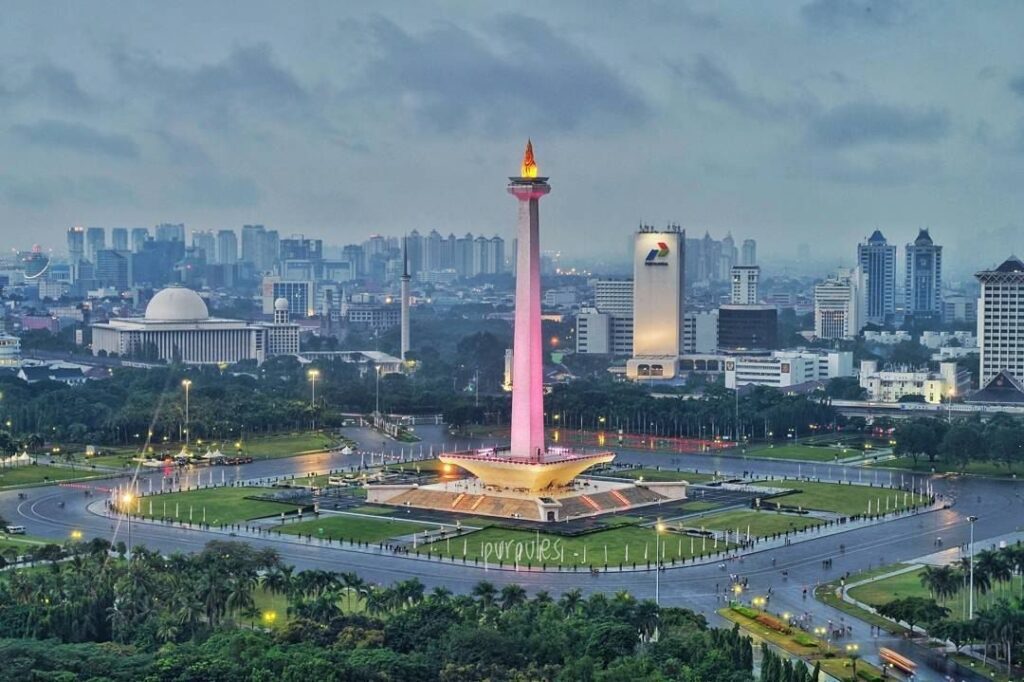
STREET FOOD REMAINS A DEFINING FEATURE OF DAILY LIFE IN INDONESIA’S CAPITAL
Street food in Jakarta plays a significant social role. Informal dining spaces encourage interaction among people from different backgrounds, reinforcing the city’s communal spirit. Night markets and temporary food bazaars become especially lively during weekends and festive periods, drawing both residents and visitors.
Below are some of the most popular areas where locals and visitors can experience Jakarta’s vibrant street food culture.
1. BLOK M FOOD AREA
Best Time to Visit: Late afternoon to night
Location: South Jakarta
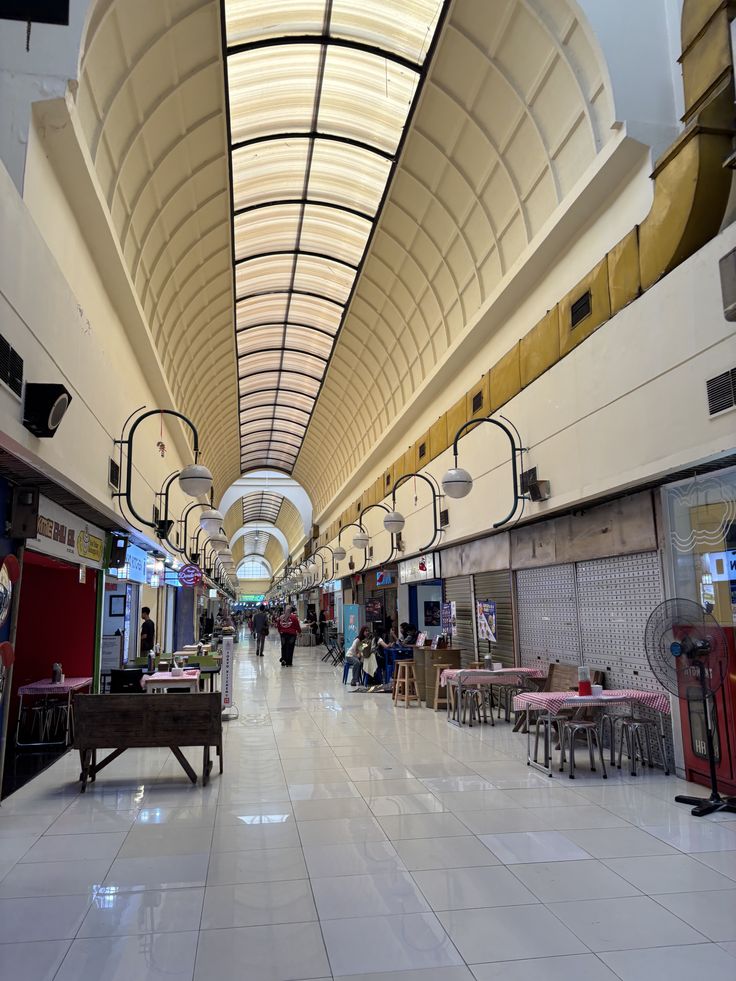
The Blok M district has evolved into a vibrant culinary hotspot. From traditional Indonesian fare to contemporary street snacks, the area attracts students and young professionals. Night-time crowds gather around informal stalls and small eateries offering comfort food at accessible prices.
2. GLODOK (JAKARTA’S CHINATOWN)
Best Time to Visit: Morning to evening
Location: West Jakarta
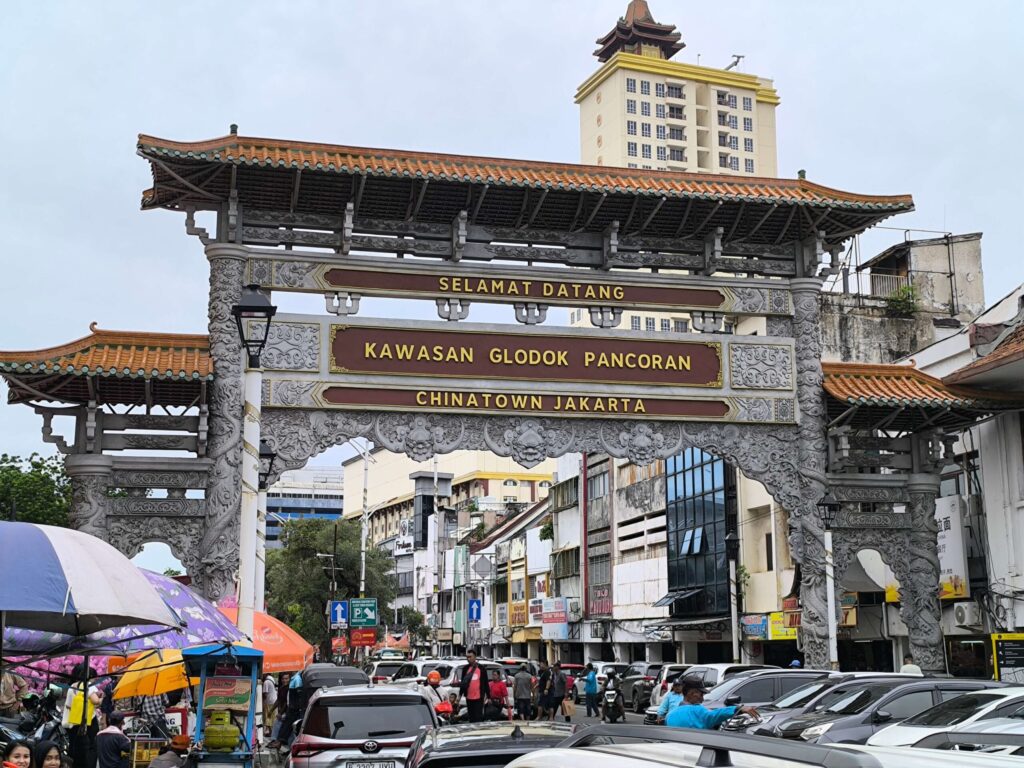
Glodok, known as Jakarta’s Chinatown, offers a unique blend of Indonesian and Chinese-Indonesian cuisine. Traditional snacks, herbal drinks and noodle dishes are widely available, reflecting the area’s long-standing cultural heritage.
3. KOTA TUA NIGHT FOOD STALLS
Website: https://jakarta-tourism.go.id/
Best Time to Visit: Weekends, evenings
Location: West Jakarta
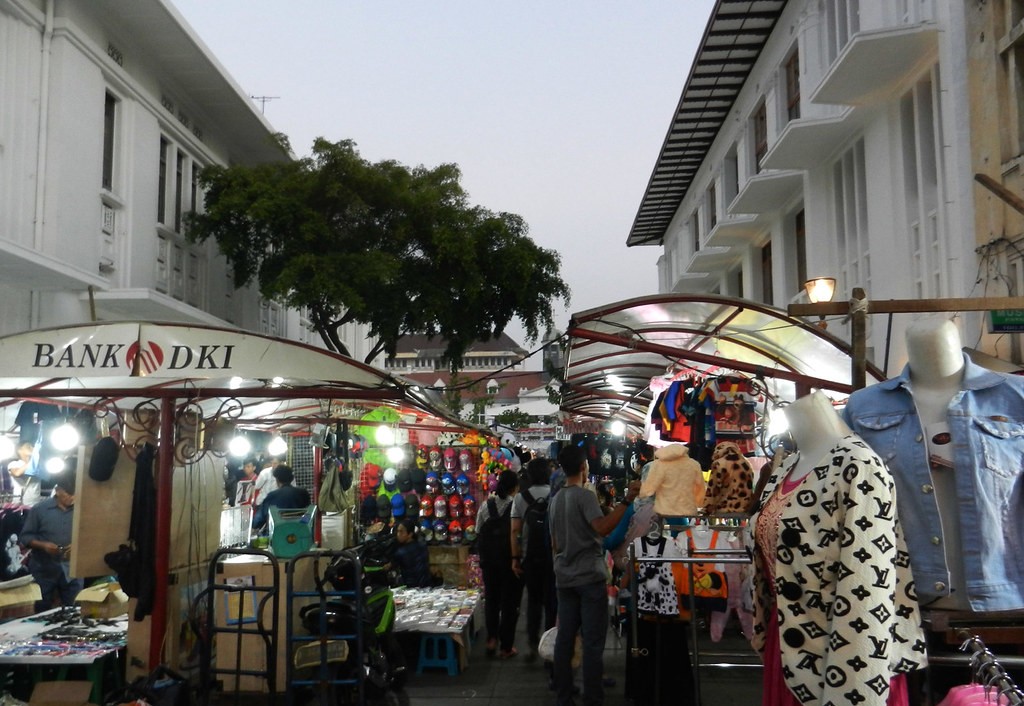
Around Kota Tua Jakarta, food vendors gather near the historic square, particularly on weekends. Visitors can enjoy local dishes while exploring the area’s colonial-era landmarks, making it a popular destination for both residents and tourists.
4. PASAR SANTA
Best Time to Visit: Afternoon to evening
Location: South Jakarta
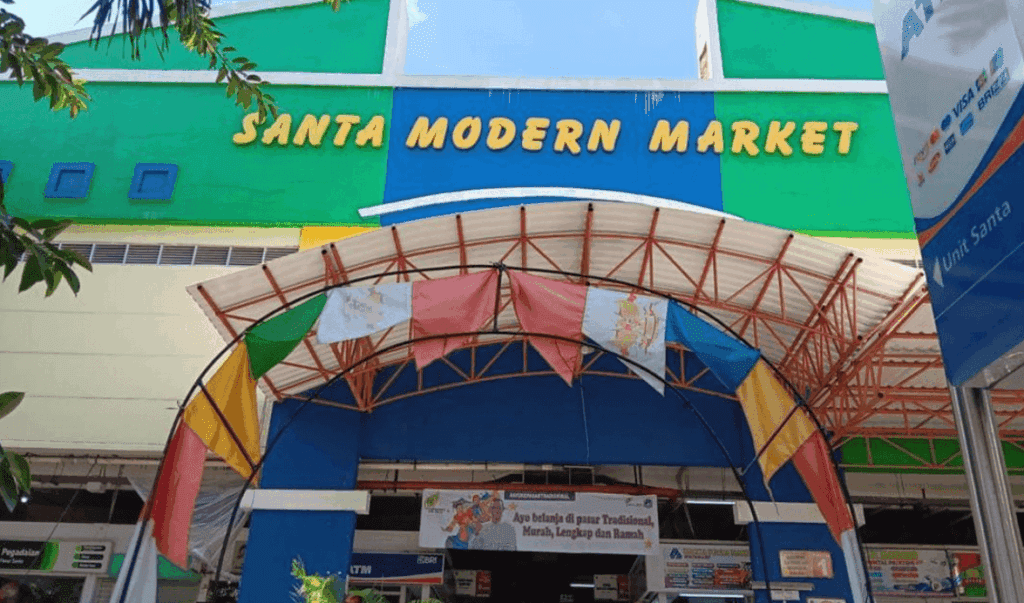
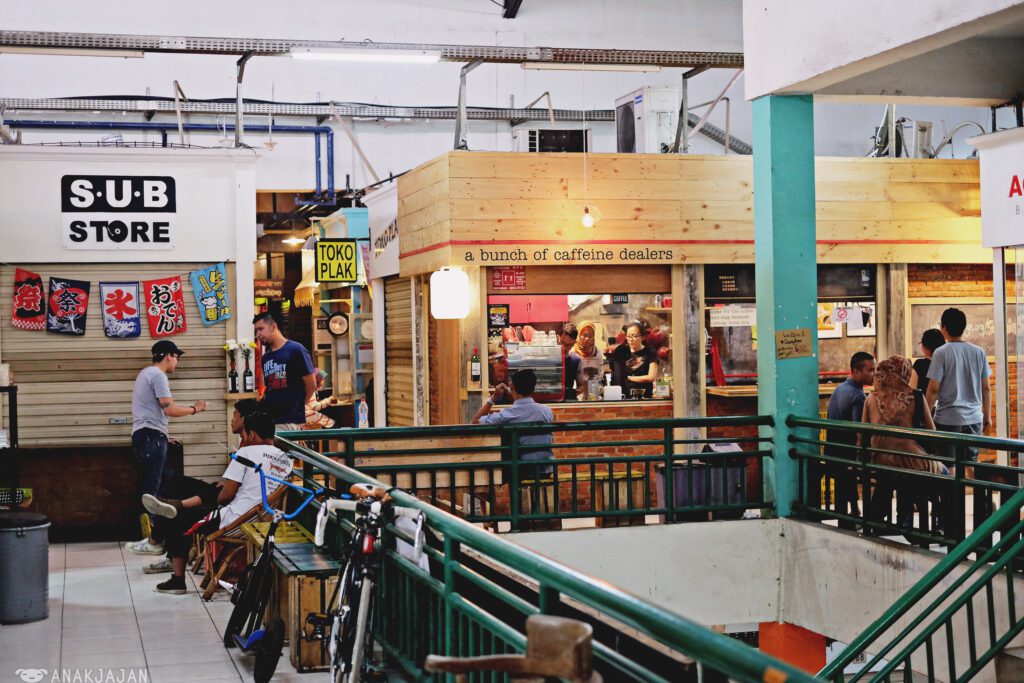
Pasar Santa has gained recognition for its mix of traditional street food and innovative culinary concepts. Small vendors and independent brands operate within the market, offering everything from classic Indonesian snacks to experimental fusion dishes.
Across these districts, street food remains not only a source of nourishment but also a space for social interaction. Mobile food carts circulate through residential neighbourhoods, while night bazaars provide communal gathering points. Despite urban modernisation, Jakarta’s street vendors continue to preserve culinary traditions that define the city’s identity.
Credit : Fathiyah Mumtaz