
JAKARTA’S RICH TAPESTRY OF CULTURES, COMMUNITIES AND TRADITIONS MAKES THE INDONESIAN CAPITAL ONE OF THE MOST DIVERSE AND WELCOMING CITIES IN ALL OF SOUTHEAST ASIA
Jakarta’s streets tell the story of centuries of cultural exchange — where Chinese, Arab, Betawi, Javanese and dozens of other communities have built a city that is as diverse as it is dynamic.
1. THE HEART OF THE CITY: BETAWI CULTURE
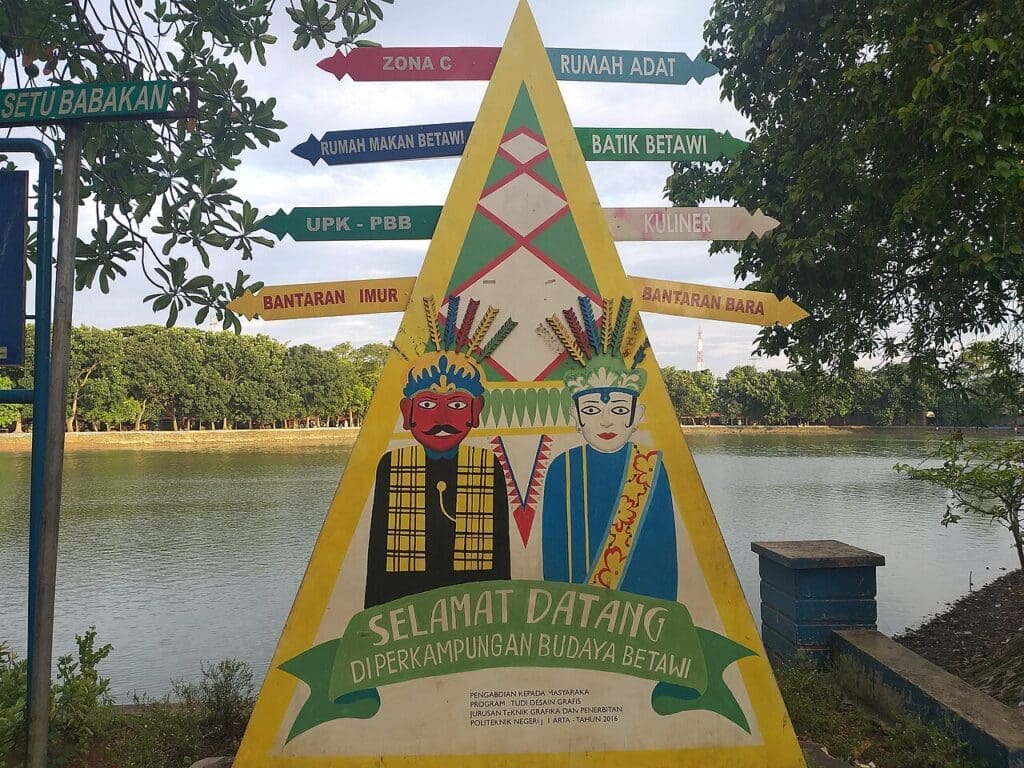
At the foundation of Jakarta’s identity lies the Betawi people — the city’s original indigenous community, born from centuries of intermingling between Malay, Javanese, Sundanese, Chinese, Arab and European settlers. The Betawi have given Jakarta its most distinctive cultural gifts: the lively Lenong theatre, the energetic Ondel-ondel giant puppets, the rich flavours of Soto Betawi and Kerak Telor, and a warm, humorous spirit that Jakartans of all backgrounds recognise as the soul of the city. Betawi culture is proudly celebrated at Situ Babakan Cultural Village, where traditions are kept alive for future generations.
2. CHINATOWN WITH CHARACTER: GLODOK

Glodok, located in West Jakarta, is one of the oldest and most vibrant Chinatown districts in Southeast Asia. Home to Jakarta’s Chinese-Indonesian community for centuries, Glodok is a fascinating neighbourhood where ornate temples stand alongside traditional medicine shops, bustling wet markets and some of the finest Chinese-Indonesian cuisine in the country. The Jin De Yuan Temple — also known as Vihara Dharma Bhakti — is one of the oldest Buddhist temples in Indonesia and remains a living centre of worship and community life. During Chinese New Year, Glodok transforms into a spectacular celebration of light, colour and tradition that draws visitors from across the city and beyond.
3. THE ARAB QUARTER: KOTA TUA’S LITTLE ARABIA

The neighbourhood of Kota Arab in Pekojan, West Jakarta, has been home to Jakarta’s Arab-Indonesian community — predominantly of Yemeni Hadhrami descent — for several centuries. The area is characterised by its striking mosques, traditional Arabic architecture, fragrant spice traders and the warm hospitality of its residents. The Al-Anshor Grand Mosque, built in the 19th century, stands as one of the most beautiful and historically significant religious sites in the capital. The neighbourhood is also celebrated for its unique cuisine — a delicious fusion of Middle Eastern and Indonesian flavours — including dishes such as nasi kebuli, mandi rice and a wonderful variety of sweet Arabic pastries.
4. A CITY OF FAITH AND HARMONY

Perhaps the most remarkable aspect of Jakarta’s multicultural identity is the spirit of harmony that runs through it. Mosques, churches, temples and Chinese clan houses sit peacefully within the same neighbourhoods, and the city’s many communities celebrate each other’s festivals with genuine warmth and enthusiasm. Every year, the Jakarta government actively promotes cultural harmony through festivals, exhibitions and community events that bring different groups together in celebration. This spirit of unity in diversity — or in the Indonesian national motto, Bhineka Tunggal Ika, meaning Unity in Diversity — is perhaps Jakarta’s greatest and most enduring gift to the world.
Credit: Fathiyah Mumtaz