
TRADITIONAL FLAVOURS REFLECT CULTURAL IDENTITY AND URBAN HISTORY
Jakarta’s culinary landscape is as dynamic as the city itself, yet at its heart lies the enduring legacy of Betawi cuisine. Rooted in the traditions of the capital’s indigenous community, these dishes offer more than nourishment—they provide a window into the region’s cultural identity and historical evolution.
1. A HEARTH OF HERITAGE: SOTO BETAWI
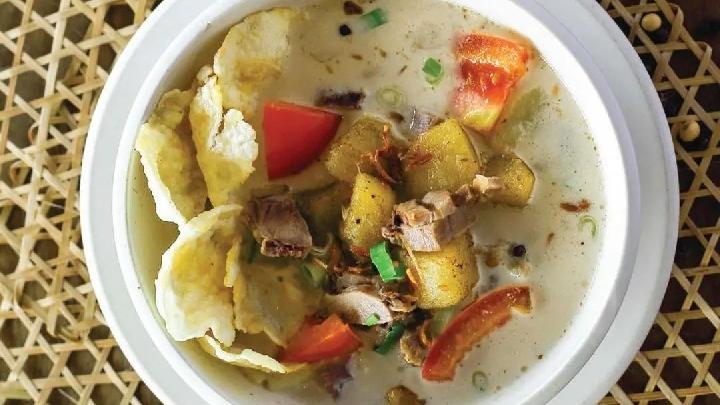
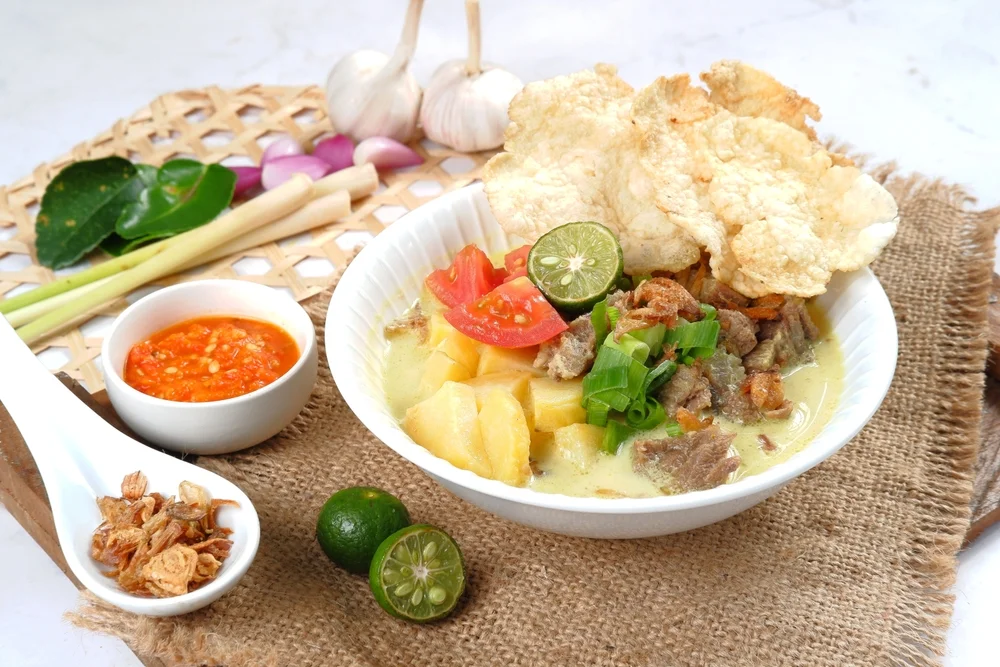
Soto Betawi stands as one of the most recognisable dishes from the capital. This rich beef soup, characterised by its creamy broth made from coconut milk or cow’s milk, reflects the influence of both local and colonial culinary practices. Served with tender cuts of beef, tomato, potato, and garnished with crispy shallots, it remains a staple across Jakarta’s eateries.
2. STREET FOOD ICON: KERAK TELOR

Kerak Telor continues to hold its place as Betawi’s most iconic street snack. Traditionally prepared over charcoal fires, this savoury omelette combines glutinous rice, egg, dried shrimp, and toasted coconut flakes. Its preparation method and distinct flavour have made it a highlight at cultural festivals and public events, preserving its role as a symbol of Betawi identity.
3. MORNING RITUAL: NASI UDUK
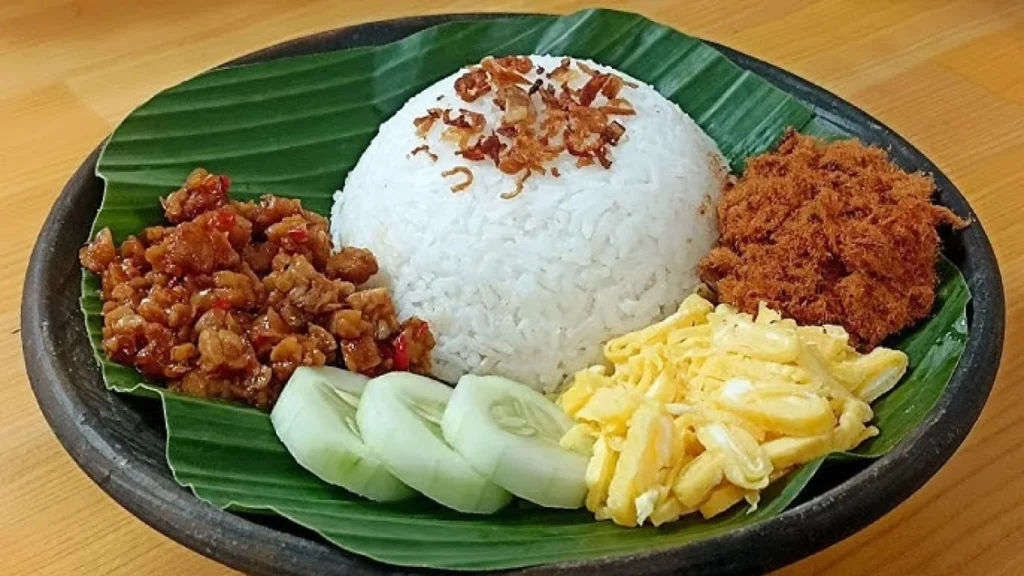
A popular breakfast choice, Nasi Uduk is known for its fragrant rice cooked in coconut milk, often accompanied by fried chicken, tempeh, tofu, and sambal. Its simplicity and accessibility have made it a daily staple for many residents, bridging traditional flavours with modern urban routines.
4. REFRESHING TRADITION: ES SELENDANG MAYANG

Among traditional beverages, Es Selendang Mayang offers both visual appeal and cultural significance. This colourful drink features layered rice flour jelly in shades of pink and white, served with coconut milk and palm sugar syrup. It is widely regarded as one of the most iconic Betawi refreshments, particularly during festive occasions.
5. HERBAL LEGACY: ES BIR PLETOK

Despite its name, Es Bir Pletok contains no alcohol. Instead, it is a spiced beverage made from ginger, lemongrass, pandan leaves, and cloves. Served either warm or cold, it is traditionally valued for its warming properties and perceived health benefits, reflecting long-standing herbal traditions within Betawi culture.
As Jakarta continues to modernise, these traditional dishes remain deeply embedded in its social fabric. Culinary experts note that preserving such heritage foods is essential not only for cultural continuity but also for strengthening local identity amid global influences. Through markets, festivals, and family kitchens, Betawi cuisine continues to thrive, offering both residents and visitors an authentic taste of the capital’s past and present.
Credit : Fathiyah Mumtaz