JAKARTA EMBRACES ITS NATURAL SOUL AS PARKS, WILDLIFE RESERVES AND URBAN GARDENS BRING THE CAPITAL’S LUSH GREEN SIDE TO LIFE
Beneath its vibrant and energetic skyline, Jakarta is home to a quieter, greener world — one filled with open parks, tropical wildlife and thriving community gardens that are redefining what the city truly has to offer.
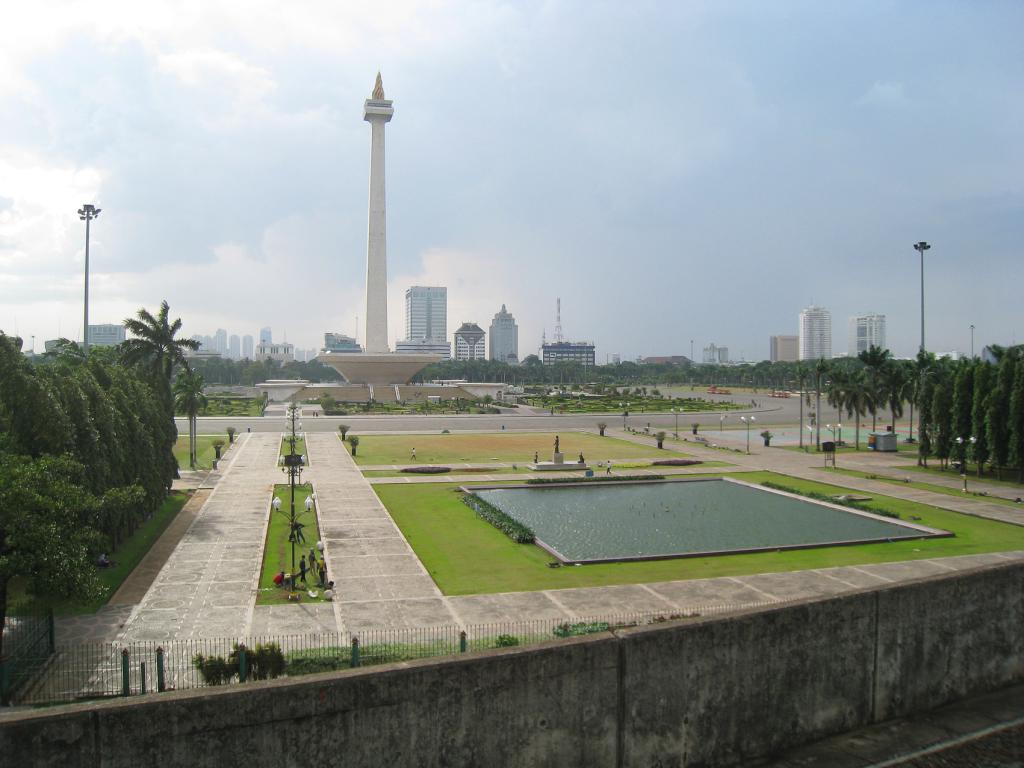
1. LUNGS OF THE CITY: MONAS & LAPANGAN MERDEKA
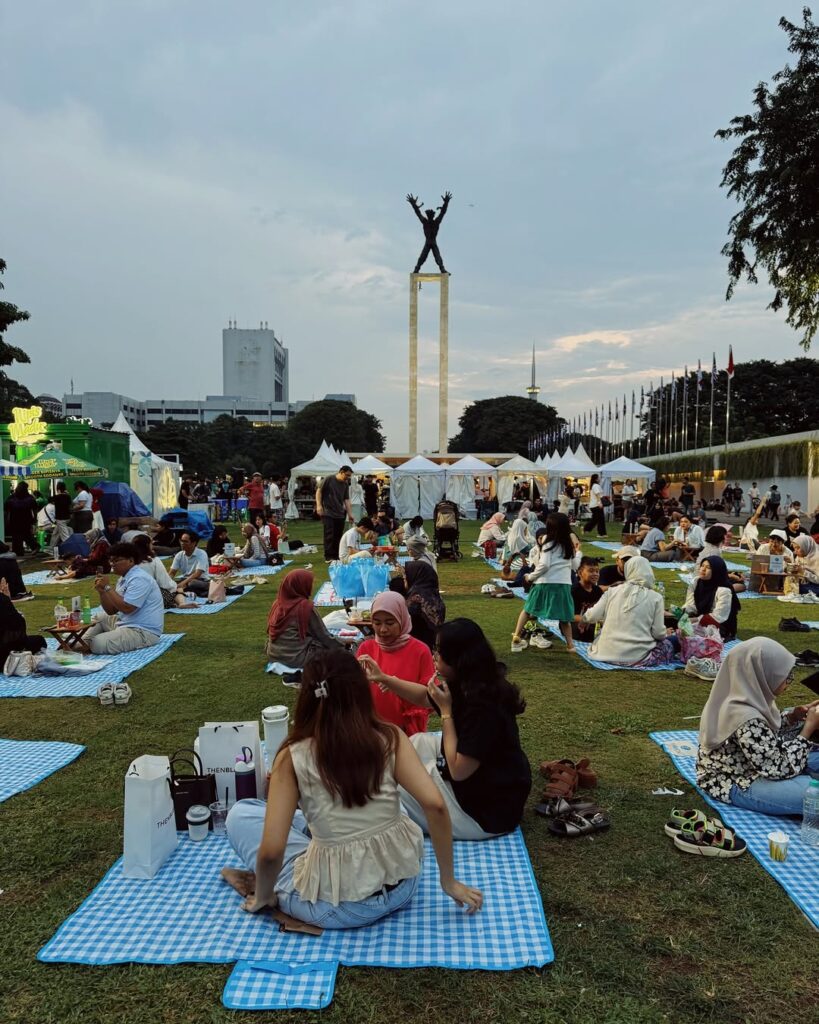
At the geographical and symbolic heart of Jakarta stands the National Monument (Monas) and the expansive public park that surrounds it. Lapangan Merdeka covers 80 hectares of open lawns, shaded walkways and rain tree avenues, and remains free and accessible to all. On weekends, the park fills with joggers, families, kite-flyers and street food vendors, transforming into one of the most welcoming and lively public spaces in Southeast Asia. Urban planners have cited it as a model for green public infrastructure in one of the world’s most vibrant capital cities.
2. WILD AT HEART: RAGUNAN ZOO
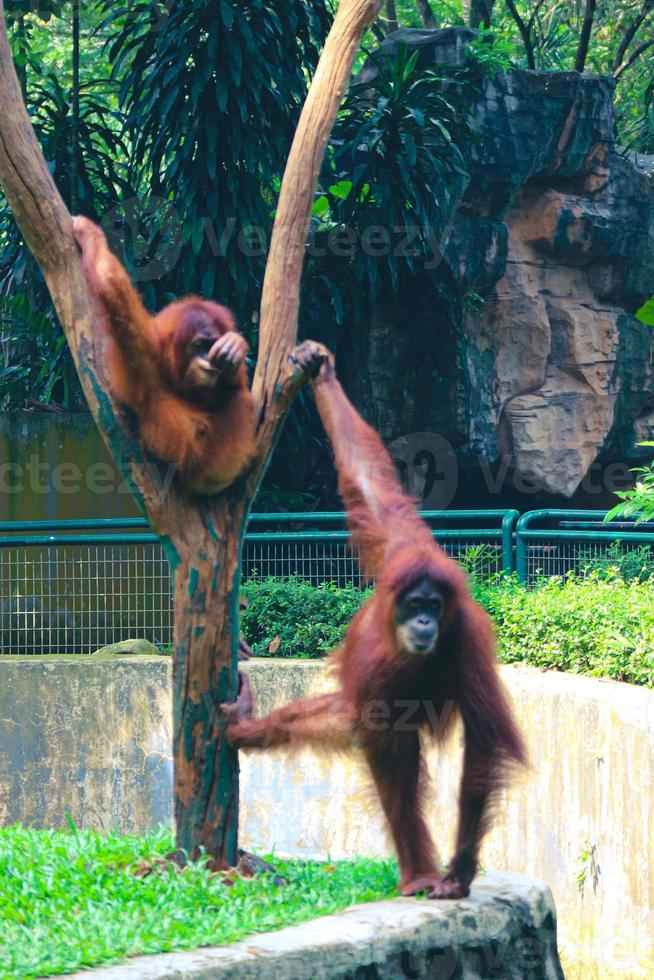
Located in the southern reaches of the capital, Ragunan Zoo is far more than a conventional wildlife attraction. Covering over 140 hectares of lush tropical forest, it functions simultaneously as a zoological park, an urban nature reserve and a much-loved family destination. Home to more than 2,000 animals, including Sumatran orangutans, Komodo dragons and Javan rhinos. Ragunan offers city dwellers a rare and wonderful encounter with Indonesia’s extraordinary biodiversity without leaving the metropolitan area. Its towering canopy trees provide generous natural shade, making every visit a genuinely refreshing and memorable experience.
3. CULTURE MEETS NATURE: SITU BABAKAN
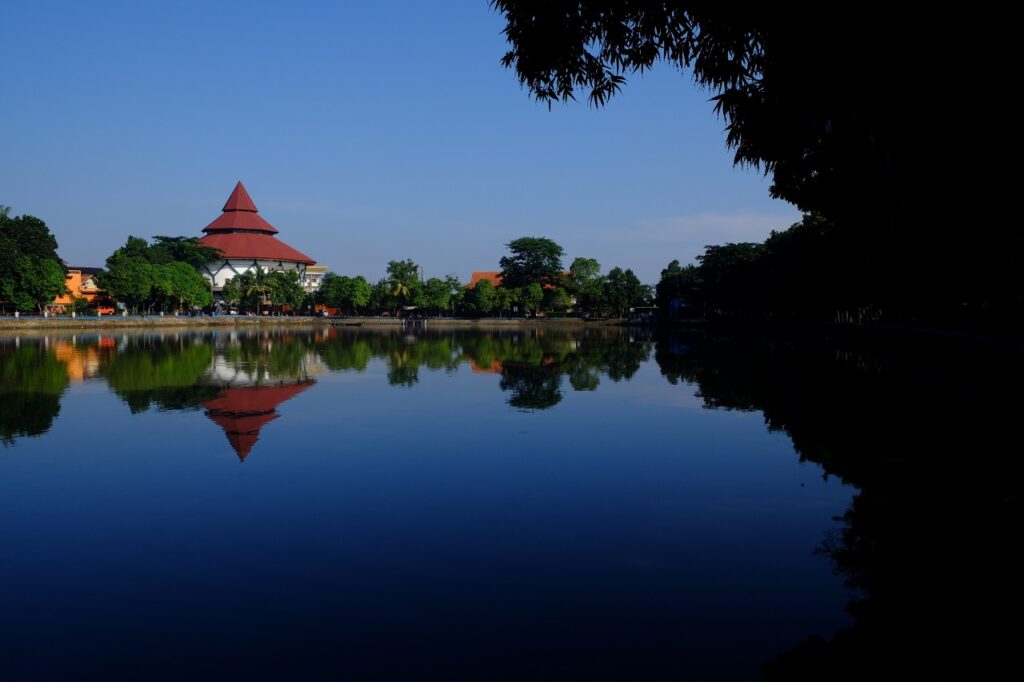
Situ Babakan, a beautiful lake reserve in South Jakarta, serves as the centrepiece of the Betawi Cultural Village, a living heritage site celebrating the traditions, architecture, food and performing arts of Jakarta’s indigenous Betawi community. Visitors may stroll along the lakeside promenade, hire a rowing boat, enjoy traditional Betawi dance performances and savour authentic local cuisine, all within a landscape of fruit trees and bamboo groves. The site stands as one of the most charming places in the capital where natural beauty and cultural pride exist in perfect harmony.
4. ROOTS AND ROUTES: THE KAMPUNG HIJAU MOVEMENT

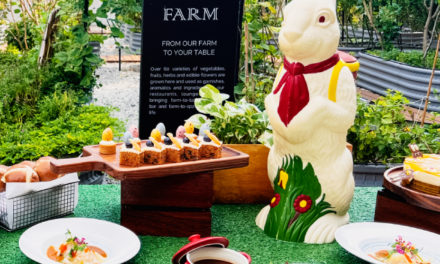
Across Jakarta’s kampungs and residential neighbourhoods, a heartfelt urban farming movement has taken firm and joyful hold. Under the banner of Kampung Hijau, meaning Green Village — residents have transformed rooftops, vacant lots and alleyways into thriving vegetable patches, herb gardens and communal green corners. Neighbourhoods celebrate annually as the city’s greenest community, with local government support channelled through seedling programmes and composting initiatives. Environmental advocates have praised the movement as one of the most inspiring and sustained urban greening efforts in any major Southeast Asian city.
Credit: Fathiyah Mumtaz