New framework supports local-currency transactions between Indonesia and Singapore.
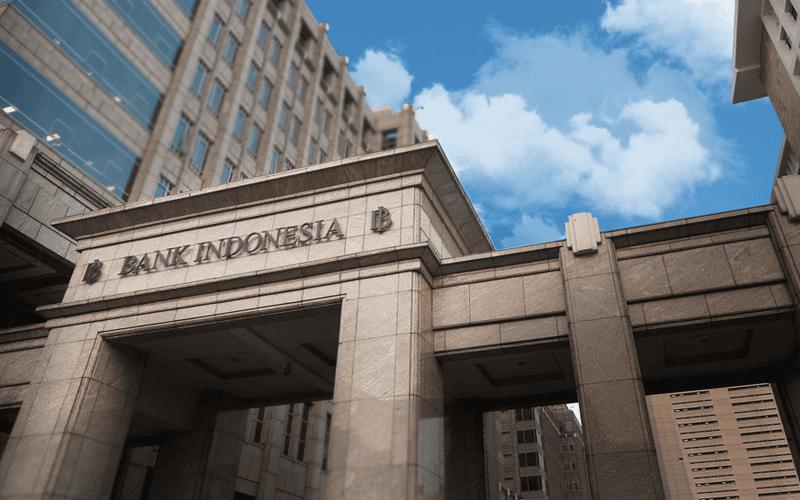
Indonesia’s central bank, Bank Indonesia, has issued new rules for bilateral transactions between Indonesia and Singapore using the rupiah and Singapore dollar through banks.
Regulation of the Members of the Board of Governors No. 25 of 2026 took effect on 14 August 2026. It implements the agreement between Bank Indonesia and the Monetary Authority of Singapore (MAS), Singapore’s central bank and financial regulator, to promote greater use of the two countries’ local currencies in bilateral transactions.
The framework aims to support rupiah exchange-rate stability, increase local-currency use in international transactions and develop the foreign-exchange market. To support these objectives, it establishes a mechanism for eligible customers to conduct qualifying transactions through designated banks.
Bank ACCD Indonesia refers to Indonesian banks designated by Bank Indonesia to facilitate bilateral rupiah-Singapore dollar transactions. Indonesian Customers can include individuals, financial institutions, corporations, payment-system infrastructure providers and other parties designated by Bank Indonesia. Banks are selected based on factors including size, interconnectedness and complexity, their role in developing money and foreign-exchange markets and payment systems, and recommendations from MAS.
Through these designated banks, customers can access activities covered by the framework, including transfers in rupiah and Singapore dollars, special-account management and financing. The framework also covers foreign-exchange instruments such as spot transactions, using current exchange rates; forward transactions, with an exchange rate agreed for a future date; and swap transactions, involving currency exchanges at different dates. Cross-currency swaps and domestic non-deliverable forwards (DNDFs) are also included.
These transactions must be supported by an Underlying Transaction, meaning an eligible economic activity between Indonesian and Singaporean customers. Qualifying activities include trade in goods and services, primary and certain secondary income transactions, direct investment and financing.
For direct investment, the rules cover equity ownership of at least 10%, as well as intra-group loans and capital expenditure by Indonesian Customers in Singapore.
To ensure the framework can be monitored, Bank ACCD Indonesia must provide Singapore dollar-rupiah price quotations and submit periodic reports to Bank Indonesia covering foreign-exchange transactions, account balances, fund transfers and financing positions.
The regulation provides a clearer framework for qualifying cross-border transactions to use the rupiah and Singapore dollar. As implementation progresses, it is expected to support wider local-currency use, further develop the foreign-exchange market and strengthen rupiah stability.
Source: Bank Indonesia